




By Maricho Media
Zimbabwe is putting forward planning at the centre of national food security, with Government moving to protect farmers, livestock and grain supplies ahead of a potentially difficult 2026/2027 agricultural season.
Cabinet’s approval of the updated Summer Plan, incorporating drought mitigation measures, reflects government’s emphasis on anticipating challenges rather than waiting for emergencies.
With a predicted super El Niño threatening rainfall and geopolitical tensions driving up fertiliser and fuel costs, authorities have outlined six strategic interventions to strengthen agricultural resilience.
The preparations are already taking shape.
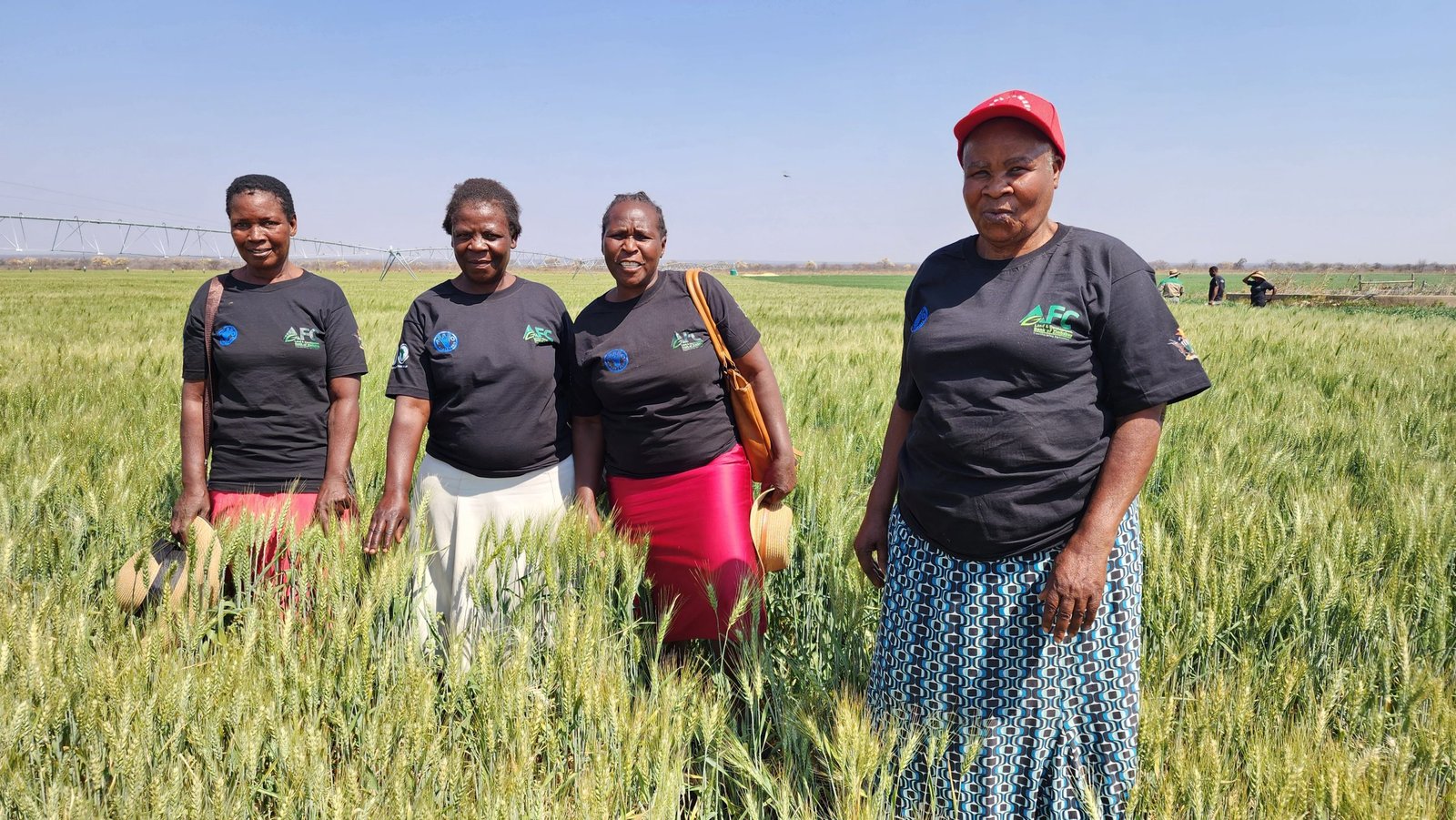
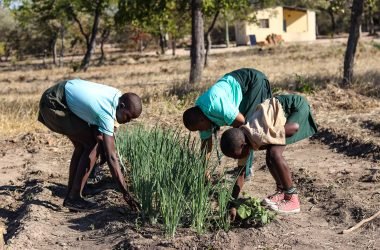
Government reports that 7.6 million Pfumvudza/Intwasa plots have been established against a 16-million-plot target, while more than 112,000 hectares have been identified for maize irrigation.
Duty-free imports of basal and top-dressing fertilisers will also be permitted to ease anticipated shortages. Crucially, these measures must translate into affordable fertiliser reaching farmers before planting begins.
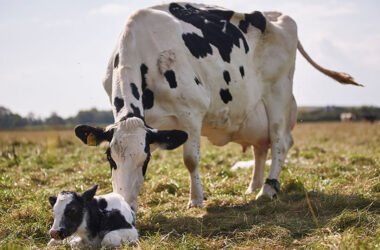
Livestock protection is another priority. With approximately 2.24 million cattle potentially threatened by drought in 2027, Government is pursuing Ward Drought Mitigation Centres across 1,527 rural wards to support feeding, dipping and livestock marketing.
The stakes are considerable.
Cabinet projects cereal production of 1.61 million tonnes against national requirements of 2.27 million tonnes. Government consequently intends to build a 600,000-tonne Strategic Grain Reserve by October 2027.
The real measure of forward planning, however, is delivery.
Farmers need affordable inputs, reliable water supplies, timely agricultural advice and practical livestock protection.
For communities, early land preparation, fodder conservation and climate-smart production will be equally important.
Aligned with NDS2 and Vision 2030, Zimbabwe’s drought preparedness strategy offers an opportunity to turn advance planning into stronger harvests, protected rural livelihoods and lasting agricultural resilience.