



By Kirsty Chibovero
Harare – With a predicted drought on the horizon, the country’s top agriculture voices are sending farmers, traders, retailers and households the same message: every tomato and every plate of sadza counts.
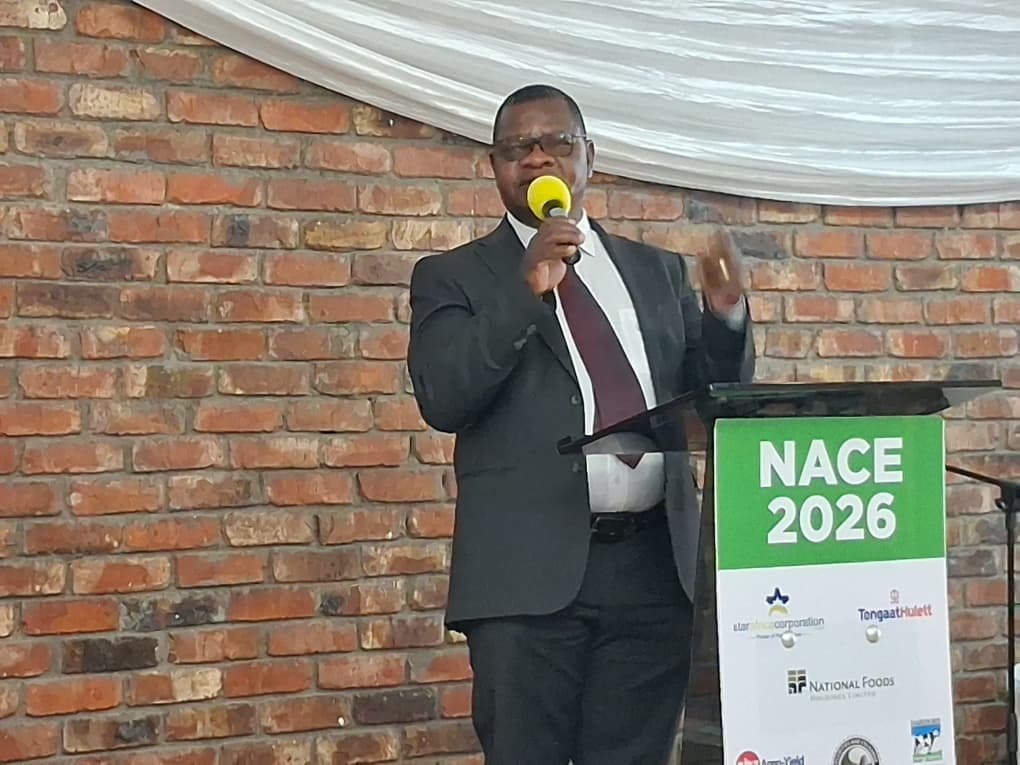
The message came through repeatedly at the National Agriculture Conference and Expo (NACE) 2026. Speakers from government, industry and academia agreed that growing more is only half the battle. Not losing what we already grow is the other half.
Never prepare more than you can finish
Ministry of Agriculture, Mechanisation and Water Resources Development Permanent Secretary Prof Obert Jiri put food loss and waste at the heart of government’s six-pillar drought response, right alongside strengthening the Strategic Grain Reserve at national and household level.
He pointed to mass markets such as Mbare Musika, where large volumes of produce go to waste, and warned that the country cannot afford to lose as much as half of its horticultural output while the region faces an El Niño. His appeal reached into the home too: families should never cook more food than they can finish.
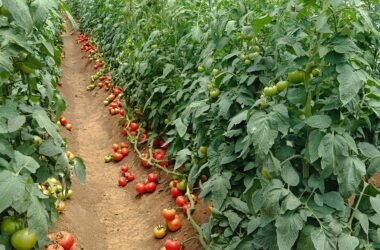
Agricultural Marketing Authority (AMA) Chief Executive Officer Alice Mapfiza said much of the waste comes from horticulture gluts, when everyone produces the same crop at the same time, followed by months of shortage. AMA’s answer is a national production calendar, built with industry, so that farmers grow tomatoes, cucumbers, onions and other crops according to what the market needs each month.
Tied to this are standards and contracts. Farmers who grow to market requirements and hold direct off-taker agreements with supermarkets and processors are far less likely to watch a crop rot or sell it cheaply to middlemen. Mapfiza admitted that removing middlemen entirely will not be easy, but said farmer education will help.
Straw is feed, not fuel
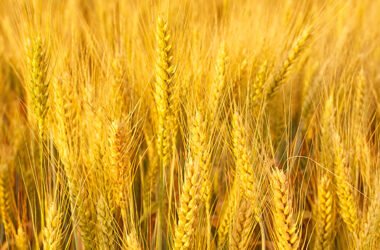
Prof Jiri also called on wheat growers to stop burning straw. Roughly a million bales are produced across wheat-growing areas, and the ministry wants them baled for livestock feed, with training on urea treatment and molasses enrichment to improve their nutritional value. This matters because at least two million cattle are already considered at risk.