



By Conrad Mwanawashe
Harare: Three aircraft, a fleet of drones and two satellites: Zimbabwe is assembling its most coordinated attempt yet to draw more rain from a season forecast to deliver less.
With the rains still weeks away, government is pre-positioning cloud-seeding capacity so operators can act as soon as suitable clouds appear. The urgency is clear. The Meteorological Services Department expects an erratic start, with much of the country possibly receiving no effective onset, citing 2015/16 and 2023/24 as comparable seasons.
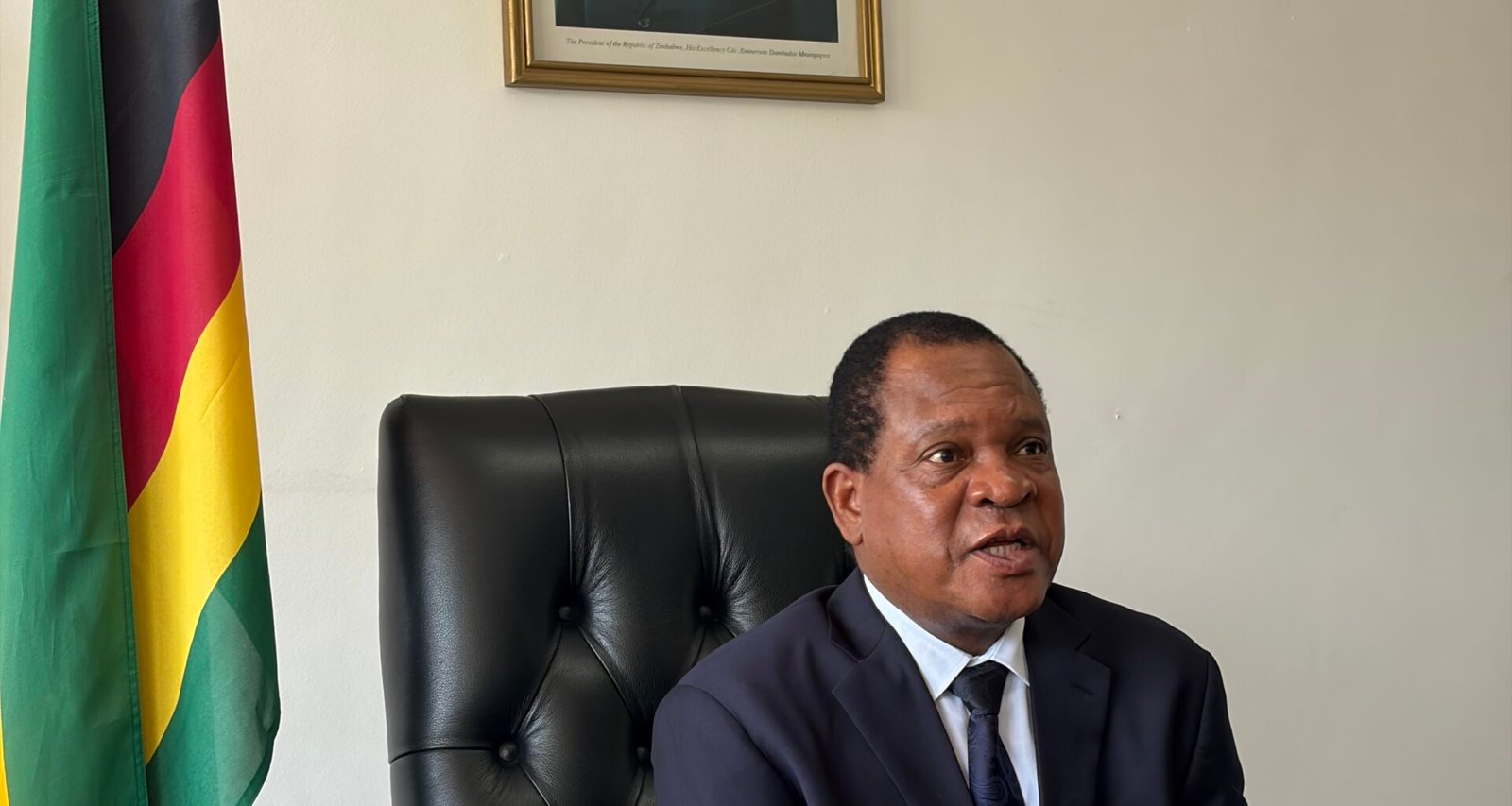
Agriculture, Mechanisation and Water Resources Development Minister Dr Anxious Masuka said cloud seeding forms part of the six-pillar response activated after the seasonal forecast: an enhanced strategic grain reserve, climate-smart agriculture, a new financing architecture, a livestock response, enhanced imports and coordination, and capacity building with early-warning systems.
“And it is in this context that under pillar two that looks at climate smart production, we are looking at enhancement and augmentation of rainfall. We just had the inter-ministerial committee meeting of the cabinet committee established last year to ensure that preparedness is at the highest level,” said Minister Masuka.
Dr Masuka said three aircraft will be stationed in Masvingo, Bulawayo and Harare, supported by drones and fixed ground stations through the season.
The Zimbabwe National Geospatial and Space Agency (ZINGSA) has been asked to lead research
using the country’s two satellites, tracking the success of seeding to guide future planning.
A nearly decade-long randomised trial in the United States found seeding could raise precipitation by 5 to 15 percent.
Zimbabwe’s record 2025 wheat harvest of more than 640,000 tonnes, well above national needs of about 360,000 tonnes, shows what irrigation, strong genetics and good agronomy achieve when rainfall is removed from the equation. At Seed Co’s inaugural Wheat Field Day in Shamva this week, Managing Director Felistas Ndawi-Gurajena urged farmers to “make every litre of irrigation water count.”
For summer croppers, the lesson is to plan as if the aircraft never take off. Prepare land early, follow Pfumvudza/Intwasa conservation practices, prioritise small grains and short-season varieties, and secure livestock feed and water before dry spells bite. Seeded rain should be a bonus on a well-prepared field, not a rescue for an unprepared one.