



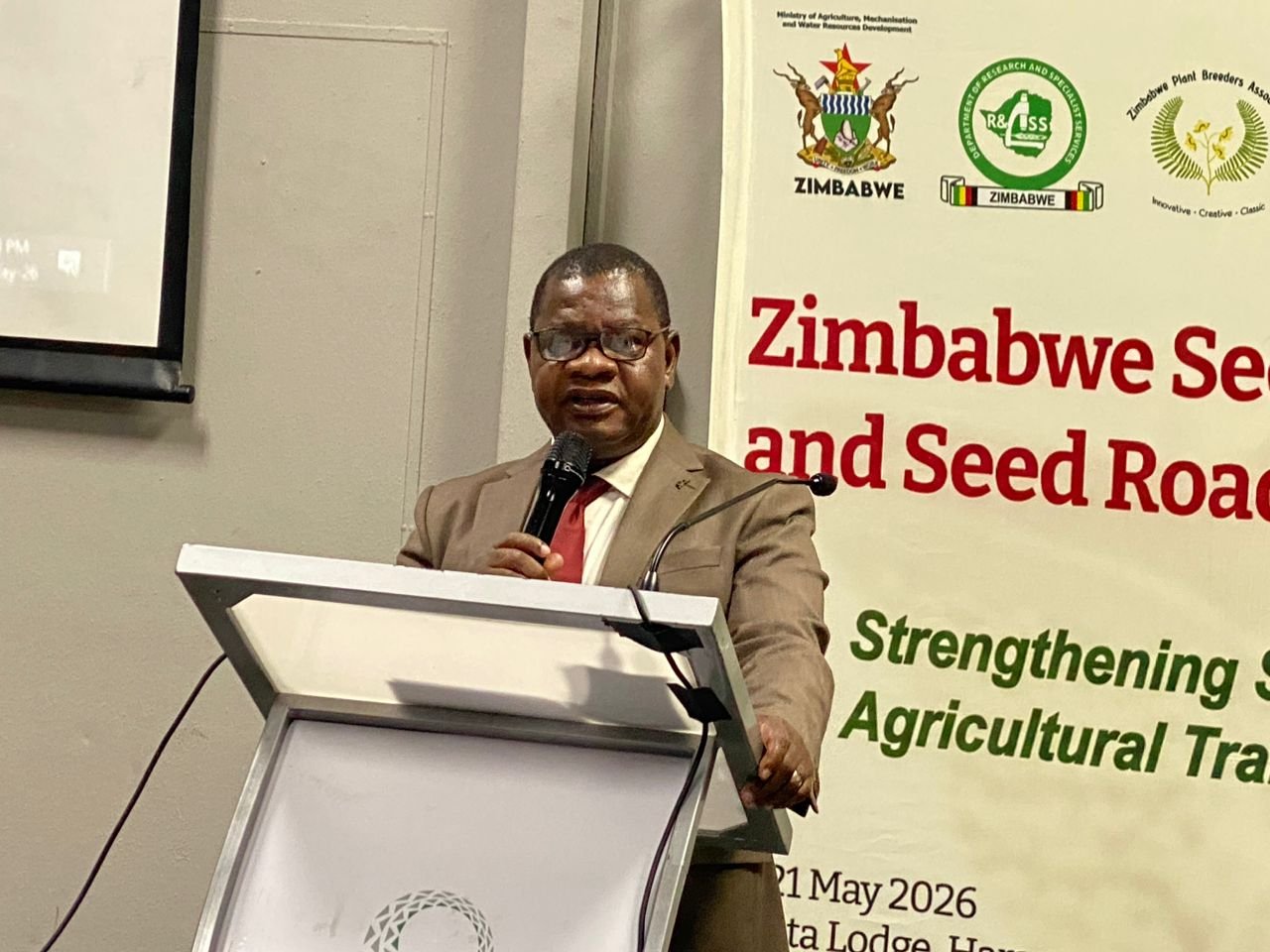

HARARE — Three months after Zimbabwe hosted the Seed Business Summit at Cresta Lodge in Msasa, initial results from one of its flagship programmes show measurable progress toward the country’s seed-sovereignty targets, even as a central deliverable remains unfinished.
The 19–21 May summit, opened by Agriculture Minister Dr. Anxious Masuka, brought together government officials, breeders, financiers and international partners under the theme “Strengthening Seed Systems for Agricultural Transformation,” in support of the National Development Strategy 2 and the $15.8 billion Agriculture, Food Systems and Rural Transformation Strategy, which aims to lift maize output to three million tonnes and wheat to 1.38 million tonnes annually.
Among the initiatives showcased was the TAAT II High Iron Bean Compact, led by the International Institute of Tropical Agriculture. Update figures presented by researchers Justin Mabeya and Shylet Tsekenedza show certified seed production of climate-resilient, biofortified bean varieties — including NUA45, NUA674, Sweet Violet, Cherry, Jasmine, Camellia and Gloria — reached 1,100 metric tonnes, surpassing the 1,000-tonne target.
Outreach efforts trained 13,498 schoolchildren across 18 schools and roughly 8,000 farmers, of whom just over half were women, while more than 90,000 farmers received climate-smart production technologies, nearing the 100,000 goal set under the programme’s “bean corridor” model, which links producers to offtakers such as Olivine, Cashel Valley, Apex Grain and ProBrands.
A national seed roadmap, one of the summit’s key deliverables meant to identify gaps in the country’s seed system, remains outstanding, with completion now expected by the end of September. Officials say the delay does not affect the broader rollout, which has also linked innovation platforms and agro-dealer networks in an effort to strengthen last-mile delivery of certified seed to farmers across Zimbabwe’s provinces.