
By Conrad Mwanawashe, Recently in Mbire
Women, men and people with disabilities are rolling up their sleeves, digging trenches for water pipes and helping develop a sand-abstraction system in Mbire District, Mashonaland Central, in a collective effort to secure their communities against the threat of another drought.
Their efforts reflect a growing sense of shared responsibility, with villagers working together to address challenges that have defined their lives for years.
But beyond the physical labour, there is a common rallying point: the Welthungerhilfe Anticipatory Humanitarian Action Facility (WAHAFA), an intervention bringing communities together to prepare for the anticipated El Niño-induced drought.
At Musengezi in Ward 5, the sand-abstraction water scheme has become more than an infrastructure project. It represents a shared investment in a future where access to water is less uncertain and communities are better equipped to withstand climate-related shocks.
For villagers who have endured years of water insecurity, the prospect of a more reliable supply has provided renewed motivation to participate in building a solution rather than wait for the situation to deteriorate.
The urgency is underscored by the anticipated very strong El Niño during the 2026/27 agricultural season, with the national outlook pointing to an increased likelihood of below-normal rainfall across the country.
Zimbabwe’s experience during the 2023/24 drought, which prompted government to declare a State of Disaster in 2024, remains a stark reminder of the consequences of inadequate preparedness, including crop failures and depleted water and pasture resources.
WAHAFA seeks to get ahead of these challenges by addressing potential impacts ranging from water shortages for communities and livestock to drought-induced food insecurity, livestock losses associated with drought and diseases, and increased incidence of water-borne epidemics.
Led by Welthungerhilfe (WHH), the €500 000 programme targets approximately 15 000 households, representing 70 500 people, across Mbire, Mt Darwin and Rushinga districts.
In Mbire, the intervention covers wards 1, 3, 5, 12 and 16. Implemented in partnership with the Farm Community Trust of Zimbabwe and other partners, the four-month programme runs from August to November 2026.
Its interventions include the provision of safe and adequate water for communities and livestock, supplementary livestock feeding, deworming, dosing and dipping, as well as training and support for community animal health workers.
At Musengezi in Ward 5, the sand-abstraction system is being developed to access water stored beneath the sandy riverbed and distribute it through an approximately 18-kilometre pipeline. Once completed, the scheme is expected to serve Musengezi Primary School, a secondary school, a clinic, two dip tanks and surrounding communities.
The broader water intervention is expected to reach 39 villages and more than 5 000 people.
For the community, the benefits extend beyond improved water access. A reliable supply has the potential to ease the burden on women and children who spend considerable time searching for water, while supporting households, livestock and essential services.
The importance of community participation was highlighted by Rural Infrastructure Development Agency (RIDA) Mbire District Technician, Victor Maringisa, who said the intervention had identified a practical solution through the assessment process, with villagers contributing labour to make it possible.
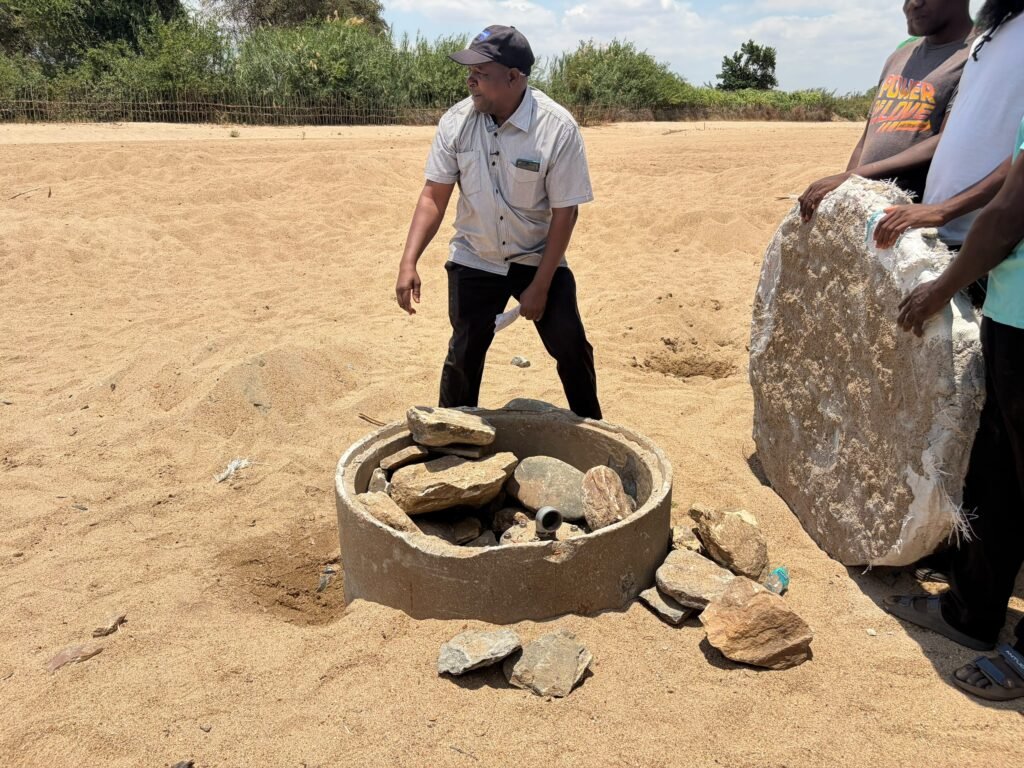
“This is the best site that we saw during the assessment and probing, then WHH came in with their partners, with the community giving labour, extracting and pushing out the sand,” said Maringisa.
WHH field officer John Tapedza said the programme was anchored on acting ahead of a disaster rather than waiting for its effects to become severe.
“In anticipatory action, we act before the disaster manifests for the purposes of creating shock absorbers to the communities. We are also in the process of training communities and providing some of them with ingredients for preparation of livestock feed, which is urea treated stover,” he said.
For livestock farmers, protecting their animals is particularly important given the devastating consequences of previous droughts.
Tafadzwa Mateka Chairman of Musengezi Dip Tank in Ward 5 recalled the difficulties communities faced in securing sufficient water for dipping, a challenge that disrupted livestock management.
“Parents were struggling to fill the dip tank which requires 20 000 litres of water and this affected dipping schedules. That meant we were relying on rain-fed water for dipping. With the water solution, our cattle will now dip all year round,” said Mateka.
The dip tank serves approximately 1 500 cattle.
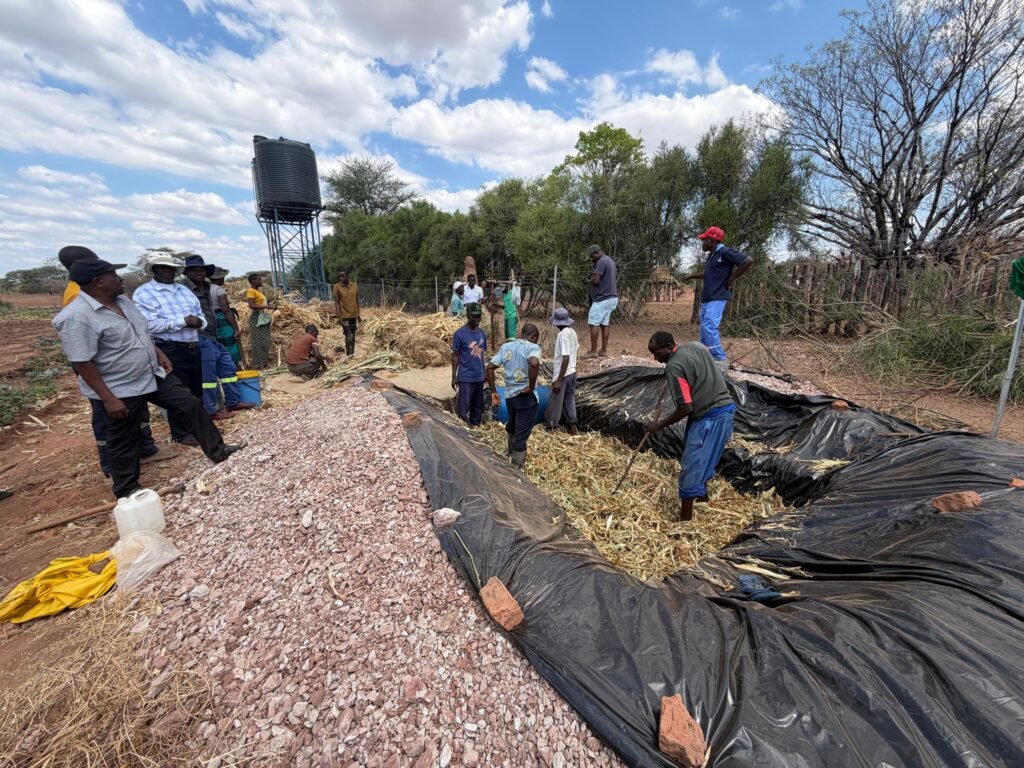
The livestock protection component is also taking shape in Chidodo Village, where farmers are pooling their efforts to prepare urea-treated stover for supplementary feeding during dry periods.
Mbire Agricultural Business Advisory Officer Edith Dutiro said the community had received training and was working collectively to prepare the feed.
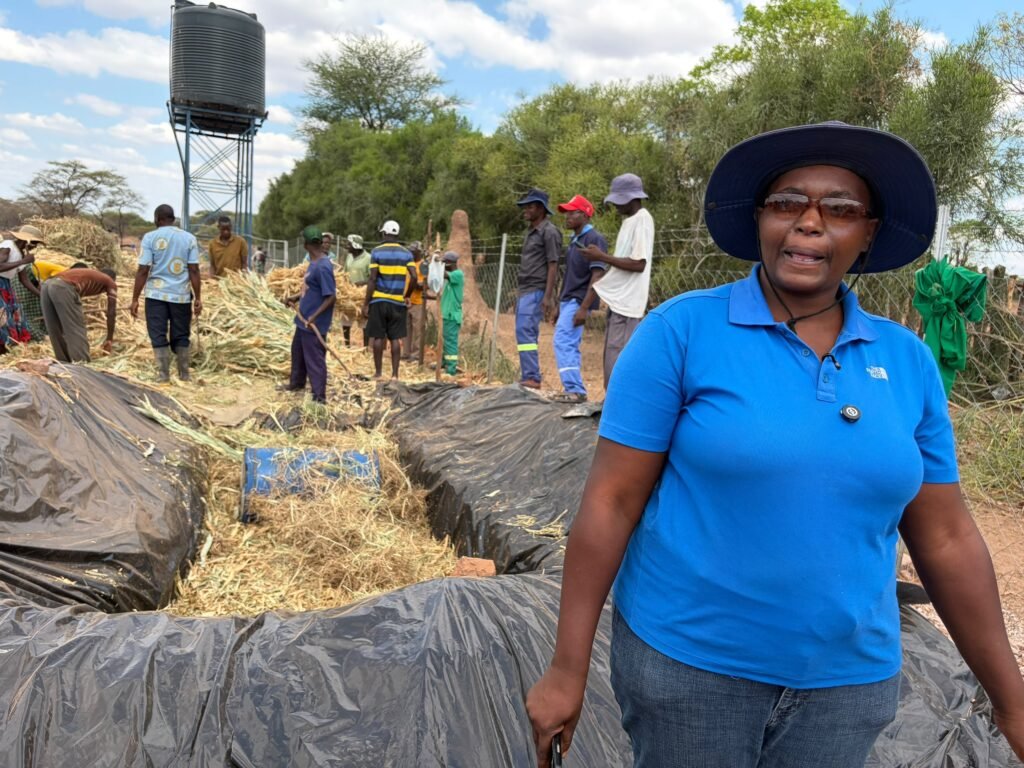
“We trained the community for a week and WHH is supporting villagers who have stover. The community is however working as a team to support each other in making urea treatment stover,” said Dutiro.
During the media visit, approximately 26 villagers had gathered to assist Albert Chidyambwizhu with the preparation of urea-treated stover, demonstrating how collective effort is helping translate training into practical action.
Mbire is targeting the preparation of 90 tonnes of urea-treated stover, with farmers being trained to turn available crop residues into supplementary livestock feed.
The spirit of collective action is also evident in Ward 3, where villagers are rallying behind a piped water scheme that has improved access to water and helped reduce human-wildlife conflict by reducing the need for people to share water sources with animals.
In Jurujena Village, improved water access is also opening up opportunities for income-generating activities, including brick moulding and gardening.
Ward 3 councillor Isaac Joko said the availability of water had stimulated local economic activity.
“There is a construction boom in our area and therefore brick moulding is brisk business,” said Joko.
Belinda Zenda said the water scheme had opened up new opportunities for households to improve their livelihoods.
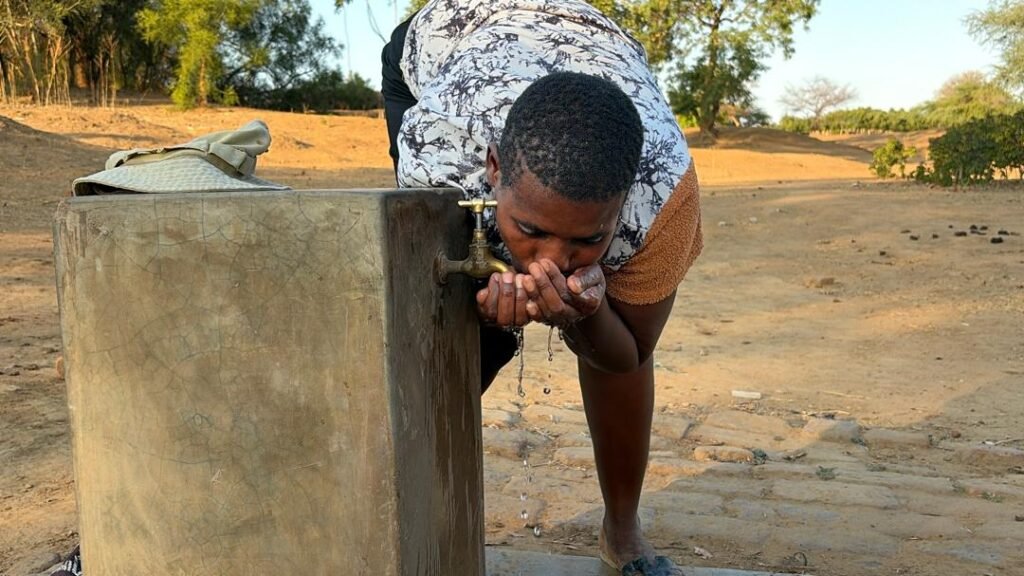

“We are now venturing in income generating projects such as gardening and brick moulding and this has improved our life style,” said Zenda.
WAHAFA uses the WFP/MSD-developed Ready, Set, Go Standardised Precipitation Index (SPI)-based drought model, validated with the Southern Africa Regional Climate Outlook Forum (SARCOF) and National Climate Outlook Forum (NACOF). Its early-warning framework is also informed by Indigenous Knowledge Systems, the Crop and Livestock and Fisheries Assessment (CLAFA) and Zimbabwe Livelihoods Assessment Committee (ZimLAC) assessments.
Ultimately, drought preparedness requires more than infrastructure and resources. It demands communities willing to organise, participate and take collective responsibility for their future.
In Mbire, WAHAFA is providing the rallying point, while villagers are demonstrating that when communities unite behind a shared cause, the foundations for resilience can be built long before the next drought takes hold.