
By Kirsty Chibovero
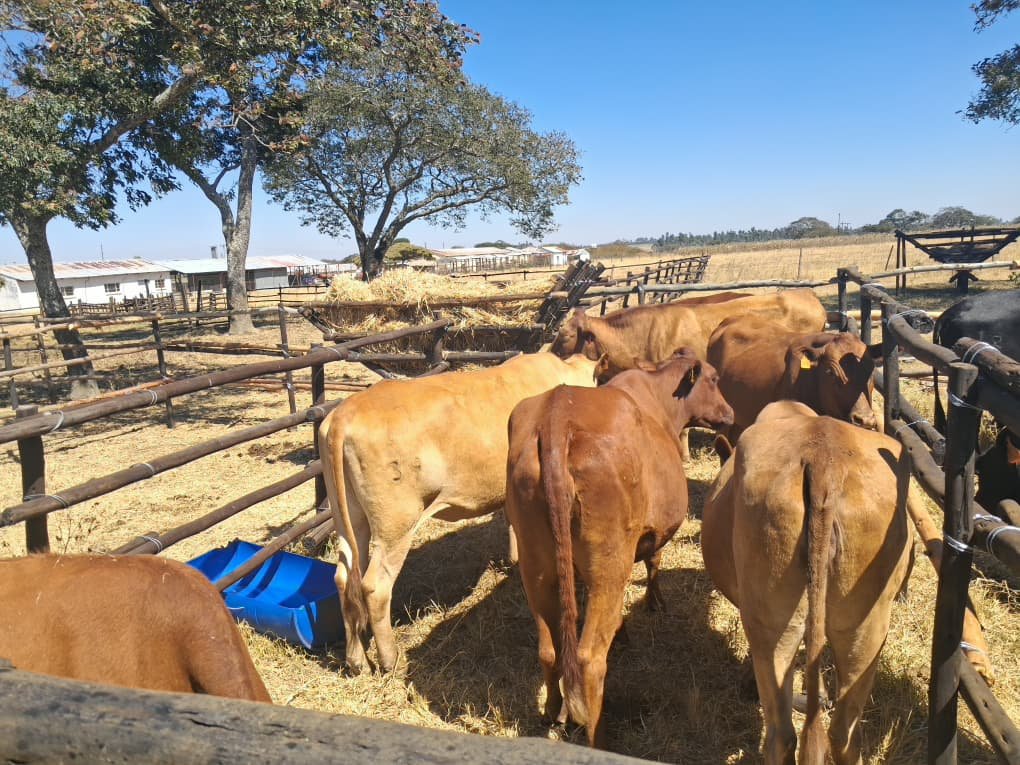
While Zimbabwe possesses deep livestock knowledge, the national cattle herd continues to face significant pressure. Feed depletion, water scarcity, and seasonal tick-borne diseases present recurring challenges, particularly across communal setups where animal frames have progressively diminished.
Experts highlighted that high-input, heavy-frame commercial breeds demand substantial forage and management to maintain condition, akin to operating heavy commercial transport. Conversely, indigenous breeds function with exceptional resource efficiency, offering high hardiness, heat and tick tolerance, and strong fertility on low-input pastures.
To address genetic depletion in communal areas, the ministry highlighted controlled sire management to systematically upgrade local herds. These genetic interventions align directly with the rollout of Ward Drought Mitigation Centers across the country. Designed as decentralised operational hubs, these centers provide:
* Emergency Infrastructure: Feed and water reserves to sustain animal condition during dry spells.
* Extension Support: On-site services managed by Agritex, livestock production officers, and veterinary teams.By leveraging data-driven performance testing, record-keeping with the Zimbabwe Herd Book, and resilient local traits, Zimbabwe is positioning its livestock sector to fulfill domestic nutrition needs while unlocking lucrative export markets.