



By Kirsty Chibovero
For a group of women in Honde Valley, Manicaland, every fingerling that died was money lost before production had even begun. They were not short of effort. They were short of the know-how to keep young fish alive.
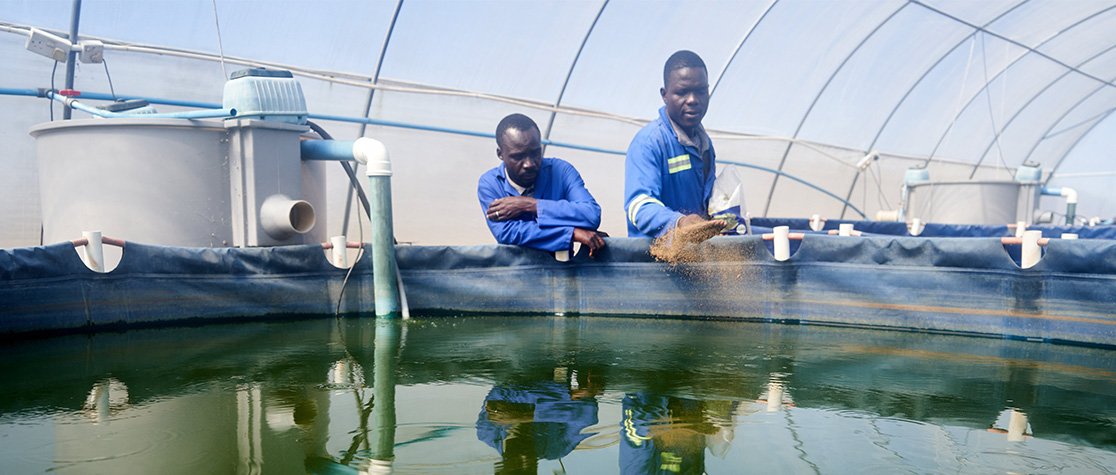
Then the Food and Agriculture Organisation of the United Nations (FAO)’s FISH4ACP programme stepped in with education and training on how to handle and care for fingerlings. The cooperative now sources its fingerlings from Rural Aquaculture Development (RAD). Oxygen tanks let live fish travel for up to two days and still arrive alive, and newly built shades protect the stock.
The cooperative’s confidence shows in its orders. It started with 40,000 fingerlings, then ordered 68,000, then 77,000. Its latest order is for 105,000, more than double where it began.
The infrastructure has grown alongside demand. A security fence now surrounds the fish ponds, and a stock shop sells feed and other fish farming inputs, so supplies are close at hand.
Martha Mutsvabangwe, who represented the cooperative, says the strength of the group lies in who is in it. Members include widows, single mothers, couples and young adults, who were taught not to discriminate against one another and to work as equals. The venture is also opening employment opportunities for young people, especially school dropouts.
Their progress is part of a bigger picture. At the programme’s closing event in Zimbabwe, Dr Patrice Talla, FAO Subregional Coordinator for Southern Africa, reported that about US$2 million of investment directly reached 4,206 farmers in Manicaland and Mashonaland provinces. An estimated 80% have adopted improved technologies and business practices.
Fingerling supply was at the heart of the challenge. Farmers elsewhere described travelling long distances, paying high transport costs and losing young fish on the way. Two decentralised fingerling hubs now serve more than 1,000 farmers, and the programme’s inclusivity toolkit supported 350 women, young people and members of marginalised groups.
